

7 Tips for Spotting Fake Vintage, Straight From Vintage and Antiques Experts
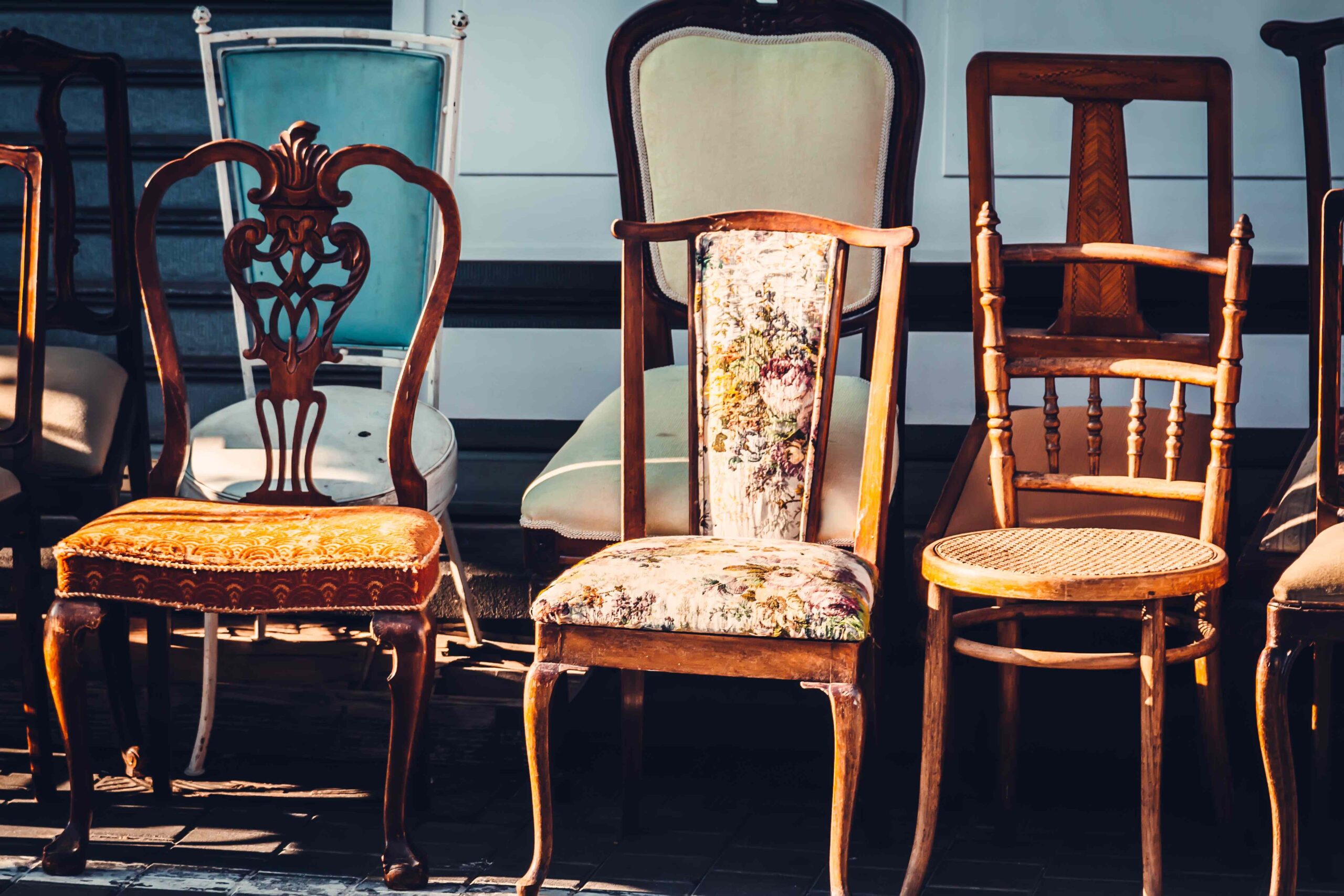
[ad_1]
Key Points
- Fake vintage leather couches won’t be buttery soft or show wear and tear on armrests.
- Authentic porcelain and glass will have maker’s marks or the name of the brands on them.
- Fake midcentury modern furniture will cost less and have a scrappy construction.
Whether a piece of jewelry or furniture, buying vintage items is sustainable, cost-effective, and supports the minimalist notion of quality over quantity. However, not every “vintage” item you find at a thrift store is truly vintage. Some are fakes, and they can be hard to spot.
While you can’t bring an expert shopper with you every time you go thrifting, you can be armed with some of their best advice. Ahead, we share tips and tricks from expert vintage shoppers on how to spot fake vintage.
Meet the Expert
- Jennifer Prince is a vintage shopping expert and owner of it’s FOUND vintage.
- Kayleigh Davies is an antiques specialist at Auctionet.
- So Hyun is a GIA-qualified applied jewelry professional, government-accredited gemologist, and vintage and antiques jewelry expert specializing in Edwardian and Victorian jewelry.
Check Artwork Is in Its Original Frame
Today, thrift shops boast plenty of artwork, but with all the mass-produced pieces that use vintage-inspired trends, it can be difficult to tell what’s original and what’s not.
“I recommend looking at the frame and the back of the piece. If the art is still in its original frame, the composition should be wood or plaster,” says vintage expert Jennifer Prince.
Also, the back of the piece should appear aged in some way—whether via an aged paper or board backing or a vintage sticker from the framer.
“If you’re questioning whether a painting is original, look closely for brush strokes and varying paint thicknesses,” she adds.
Some mass-produced pieces have brush strokes, but the strokes are typically just a clear treatment put over the print to make it seem like an original piece.
Want more design inspiration? Sign up for our free daily newsletter for the latest decor ideas, designer tips, and more!
Inspect for a Maker’s Mark on Porcelain
Porcelain in thrift shops can include anything from sets of fine China to one-off pieces; these are vintage decor items that will never go out of style.
“The easiest way to spot a vintage porcelain piece is to flip it over and look for a maker’s mark,” Prince says. “Check whether the mark is from a recognizable, modern brand.”
Pieces that say Limoges or have a faded, unique mark are often vintage. Of course, something labeled “made in China” is also a dead giveaway that this piece is not a real vintage item. However, also look at the design itself.
“Porcelain was typically hand-painted or decorated with transfers, both of which are imperfect, making them endearing and adding to the vintage vibe,” she says.
Identify the Glassware Brand
Massimo Ravera / Getty Images
If there’s one category that’s difficult to determine whether something is true vintage, it’s glassware. Nevertheless, truly vintage glasses are one of those valuable items you should never pass up at a thrift store.
“Glass pieces typically don’t show age and can usually be washed to look brand new,” she says.
Unfortunately, they’re also easy items to mass-produce. In this case, look at the piece’s overall shape and for any design elements, such as etching.
Look at a Brooch’s Clasp
Brooch pins changed throughout history and what they look like is usually a dead giveaway for the age of the piece.
“Older Victorian brooches feature long pins that extend well beyond the body of the piece, reflecting the stiffer, heavier fabrics that were worn at the time,” So Hyun, a vintage and antiques jewelry expert, says.
However, brooches are sometimes repaired with new fastenings, so a ‘new’ style brooch pin does not immediately disqualify it from antique status. When in doubt, ask the seller about the item, its age, the material composition, and any clues they might have as to the origin and value of the piece.
Review the Leather’s Quality
A true vintage piece will show its age, even if well cared for, and this is especially true of real vintage leather jackets and couches.
“If it looks factory fresh, it likely is. Aged leather should be buttery soft, and any metal on the item should gain a nice patina,” Kayleigh Davies, an antiques specialist at Autionnet, explains.
Even after cleaning a vintage leather couch, you can expect to find wear on armrests or where feet have lounged on a leather ottoman. And don’t be afraid to find out where the items came from; if the person selling it can’t answer that, Davies says you should be suspicious.
Investigate a Midcentury Modern Chair’s Construction
Credit: Photo by H. Armstrong Roberts / ClassicStock / Archive Photos / Getty Images (cropped)
Fakes often show shoddy construction. Remember, counterfeiters are looking for a quick win, not looking to build a brand or honoring its legacy, Davies says.
“For an Eames lounge chair, look out for things like uneven stitching on the cushions, PU leather, cheap veneers and rough cast metal,” she says.
She also recommends that you familiarize yourself with how the real thing should look before heading to the thrift shop.
“With most vintage furniture, the proportions should make sense because real care and thought has been put into it by the designer, whereas manufacturers of fakes won’t apply that attention to detail,” Davies says.
Verify Midcentury Modern Furniture’s Price
And when it comes to that coveted midcentury modern furniture you shouldn’t pass up, if the deal seems too good to be true, it probably is. If you’re seeing a popular piece for less than half the price it should cost, it’s likely a replica.
If you find what seems to be a real bargain languishing in a dark corner, ask yourself if it makes sense that it’s on offer at that price and why nobody else has snapped it up yet, Davies says.
[ad_2]
Source link





Leave a comment