

Decoding the Intricacies: How Does a Digital Microscope Work?
The world is full of microscopic wonders waiting to be discovered, but how does one go about exploring these hidden marvels? The answer lies in understanding how does a digital microscope work.
A Deep Dive Into The Functionality Of A Digital Microscope
To understand how does a digital microscope work, we must first break down its components. Unlike traditional optical microscopes that rely on light and glass lenses, digital microscopes use optics and sensors.
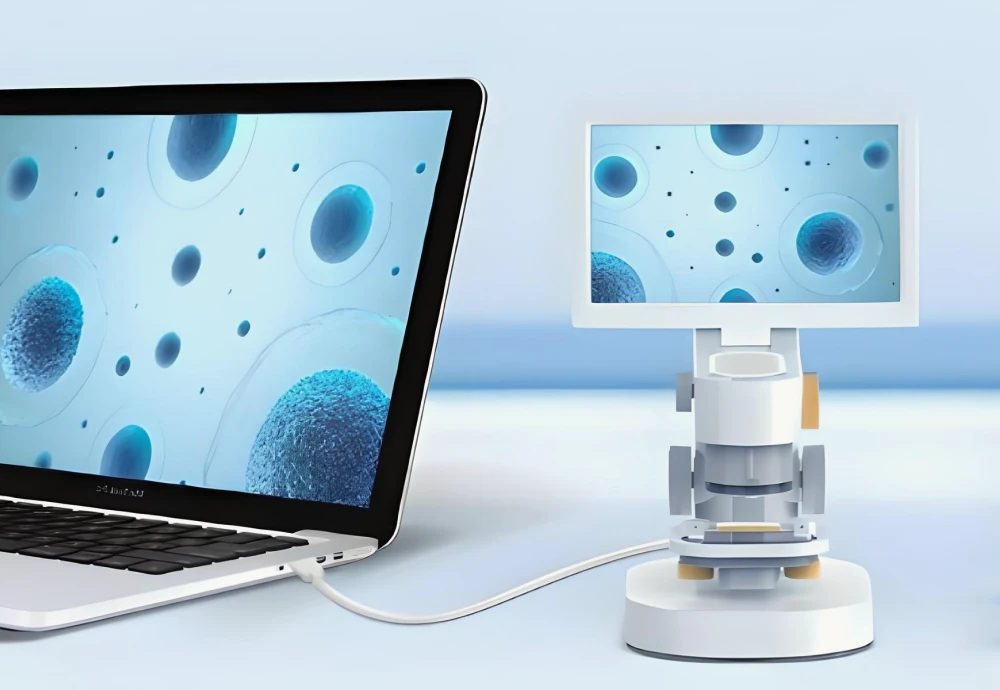
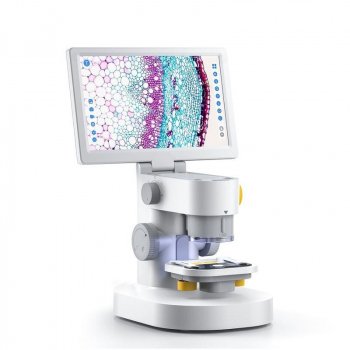
The 1200X Touchscreen Digital Microscope with Triple Camera, for instance, uses advanced technology to capture detailed images at high magnification levels. It then translates these images into electronic signals which are displayed on an integrated screen or connected device.
The Role Of Lighting In Understanding How Does A Digital Microscope Work
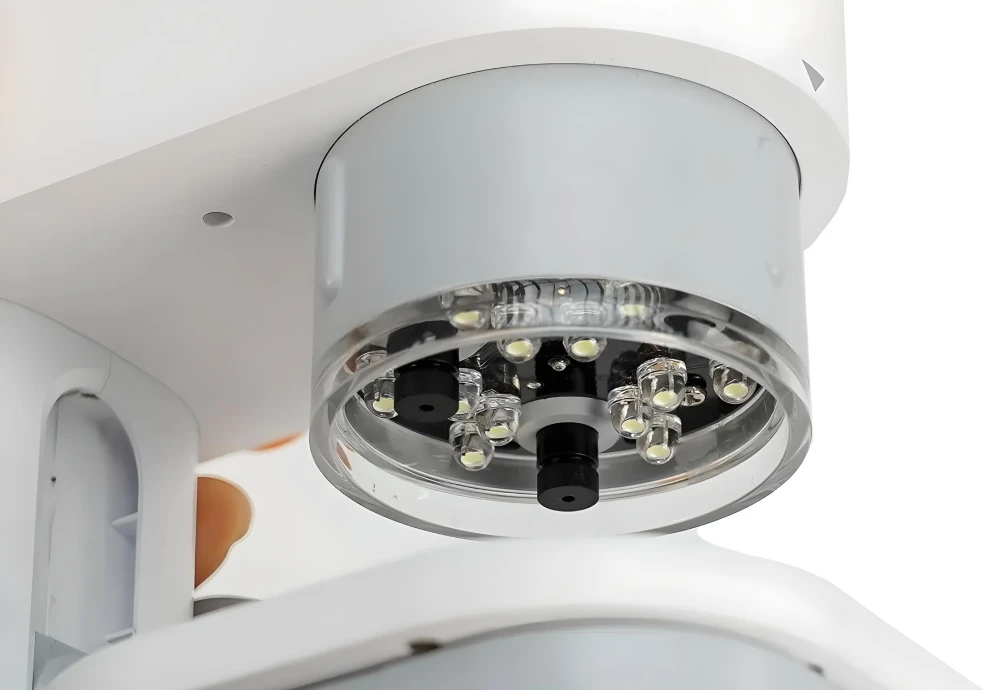
Lighting plays an integral role in microscopy because it enhances image clarity by illuminating specimens. Most modern devices like our product come equipped with LED lights that offer adjustable illumination levels for optimal viewing conditions.
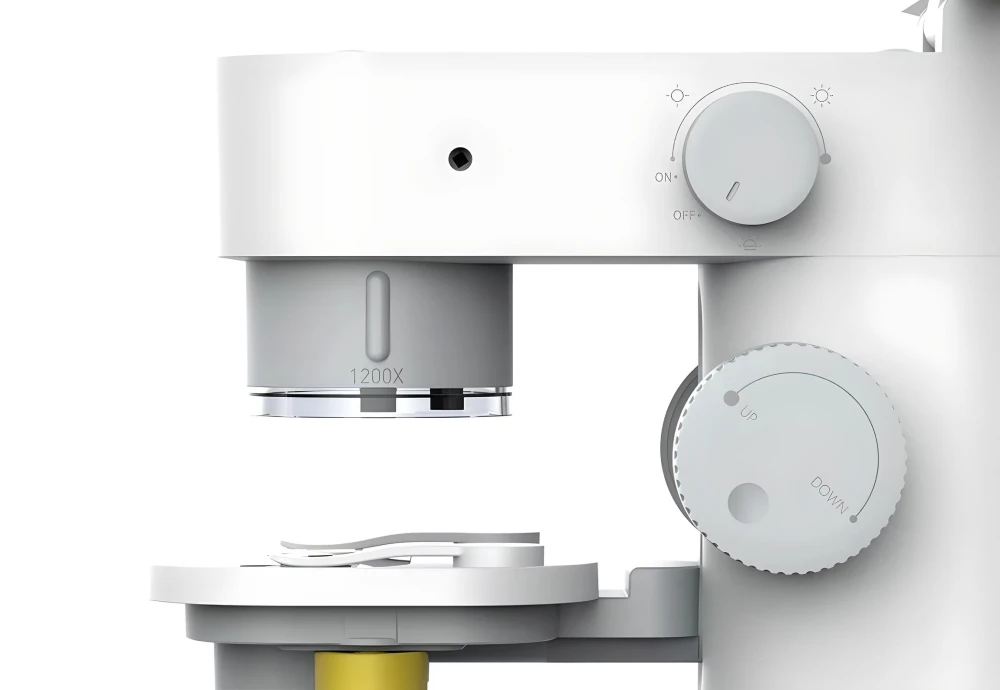
Magnification power refers to how much larger an object appears under scrutiny compared to its actual size. The 1200X Touchscreen Digital Microscope with Triple Camera boasts a magnification range from 50X to 1200X, making it versatile for various applications.
The resolution of a digital microscope is just as important because it determines the clarity and detail of images produced. Higher resolutions provide sharper, more detailed visuals which are crucial when examining intricate structures or patterns on specimens.
How Does A Digital Microscope Work
Digital microscopes open up new possibilities in fields like education, research, and hobbyist exploration due to their advanced features. For example, our product comes equipped with triple cameras that allow users to capture high-quality photos and videos from different angles simultaneously.
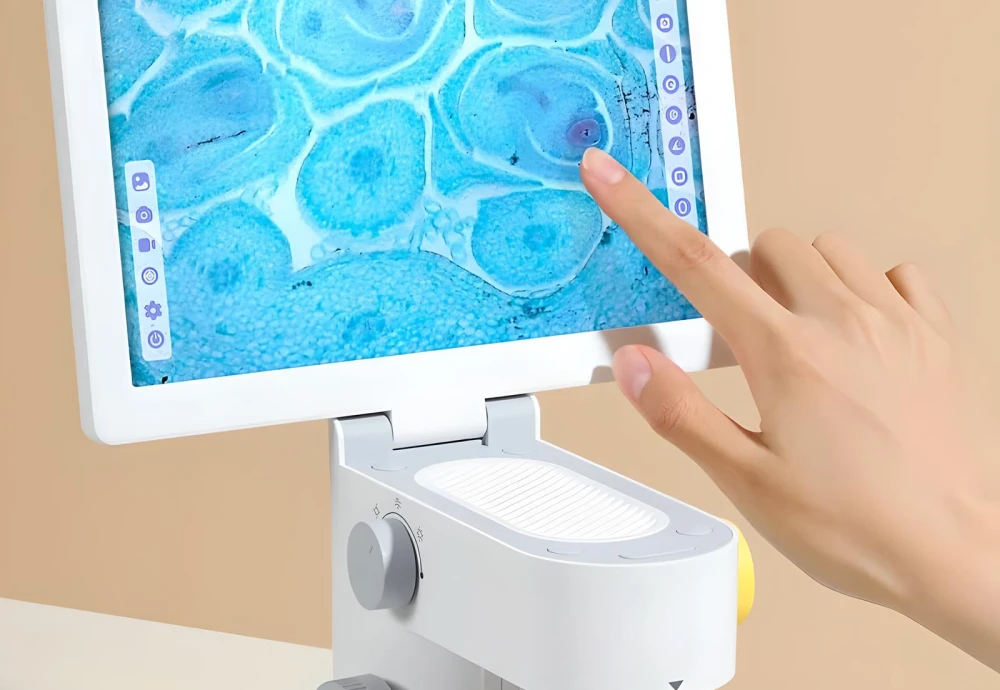
The user interface of a digital microscope is designed to be intuitive and easy-to-use. A touchscreen panel allows you to control the device, adjust settings, and even annotate images directly on the screen. The 1200X Touchscreen Digital Microscope with Triple Camera offers such an interactive experience.
Diving Deeper into How Does a Digital Microscope Work
A key feature that sets digital microscopes apart from their optical counterparts is their powerful image processing capabilities. They allow for real-time analysis, measurement, and comparison of specimens, all while saving high-resolution images or videos for further study or sharing.
This feature can be particularly beneficial in fields like scientific research where detailed analysis of microscopic structures is required. It’s also useful for hobbyists who want to document their observations in great detail.
Beyond Magnification: Additional Features Explaining How Does a Digital Microscope Work
While magnification power and resolution are crucial components when understanding how does a digital microscope work, modern devices offer much more than just these basic features.
The 1200X Touchscreen Digital Microscope with Triple Camera, for example, comes equipped with triple cameras providing different perspectives simultaneously – top view through one camera lens and side views through two additional lenses at adjustable angles. This unique feature provides comprehensive visual data about your specimen from multiple viewpoints without needing to reposition it manually.
Incorporating Technology Trend
As technology evolves, digital microscopes continue to incorporate new features and capabilities. This includes wireless connectivity for remote viewing or control, software integration for advanced image analysis, and even 3D imaging capabilities.
Staying informed about these trends can help you make the most of your device and enhance your microscopic exploration experience. So be sure to keep up with related articles such as “The Automatic Pet Dryer Box: A Breakthrough In Home-Based Pet Grooming“, “Discovering The Smallest Air Fryer: Your New Culinary Partner” and “The Future Of Lawn Care: Embracing Cordless Electric Mowers“.
A Final Word on Digital Microscopes
The world of microscopy is vast and fascinating. With this guide on how does a digital microscope work, we hope you’ve gained an insightful understanding into its workings, benefits, tips for optimal use, and latest trends in the niche.
Remember that like any piece of technology; practice makes perfect when it comes to mastering the use of a digital microscope. Keep exploring!








Leave a comment